
Visit Sicily
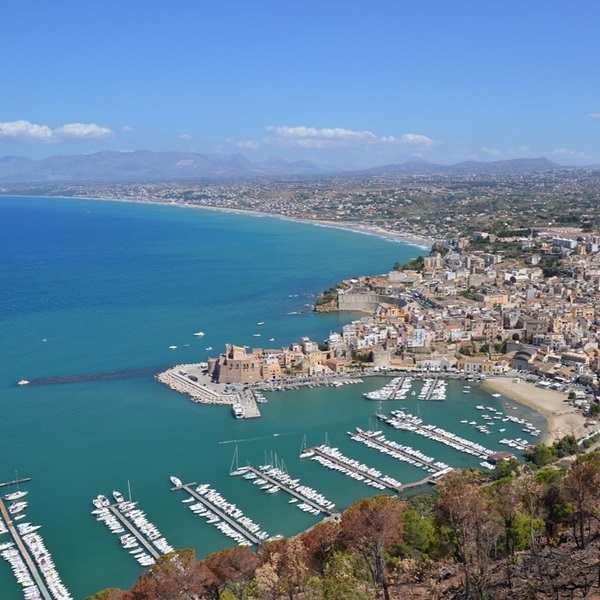
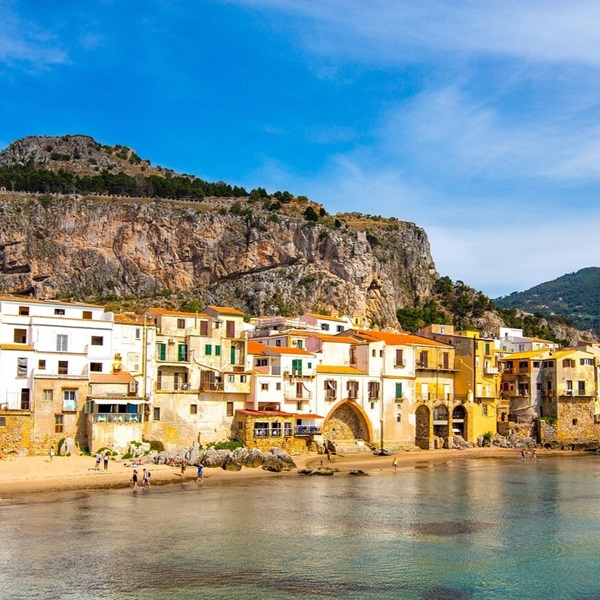

Visit the bustling streets of Palermo, where vibrant markets, historic palaces, and bustling piazzas pulse with life, to the sun-soaked shores of Taormina, Sicily is a Mediterranean island overflowing with history, flavour, and natural beauty where historic Greek influence looms large today.
In Syracusa, explore ancient Greek and Roman ruins, stroll through the baroque streets of Ortigia, and marvel at the grandeur of Noto’s Cathedral, a jewel of Sicilian Baroque architecture. The Greek Theatre of Taormina, perched high above the Ionian Sea, offers both a window into antiquity and breathtaking views of the coastline, while the island of Favignana beckons with crystalline waters, hidden coves, and a serene escape from the mainland.
Sicily

Beyond these iconic sites, Sicily’s landscape unfolds in endless variety. Wander the charming streets of Catania at the foot of Mount Etna, sample chocolate delicacies in Modica, or admire the elegant architecture of Ragusa and Scicli, UNESCO-listed gems of the Val di Noto. Along the southern coast, Agrigento invites visitors to explore the Valley of the Temples, where ancient columns rise from golden plains. Whether hiking volcanic landscapes, sailing around remote islands, or savouring the freshest seafood along sun-drenched shores, Sicily offers a vibrant and unforgettable journey at every turn, a land where history, culture, and nature converge in perfect harmony.
Palermo
Palermo, nestled between the mountains and the glistening waters of the Tyrrhenian Sea, is a city where centuries of history, culture, and passion converge. Its historic quarters, from the ancient Kalsa and Albergheria to the vibrant Capo and Vucciria districts, form a mesmerizing maze of narrow alleyways, sunlit courtyards, and bustling piazzas that reveal the city’s rich and layered soul.
The old town exudes elegance: grand baroque palaces with weathered façades, hidden gardens behind ornate gates, and lively markets bursting with the scents of citrus, spices, and street food.
Down by the sea, the Foro Italico and the port echo Palermo’s long maritime legacy, where fishing boats bob beside sleek yachts and the sea breeze carries whispers of the city’s Mediterranean spirit.
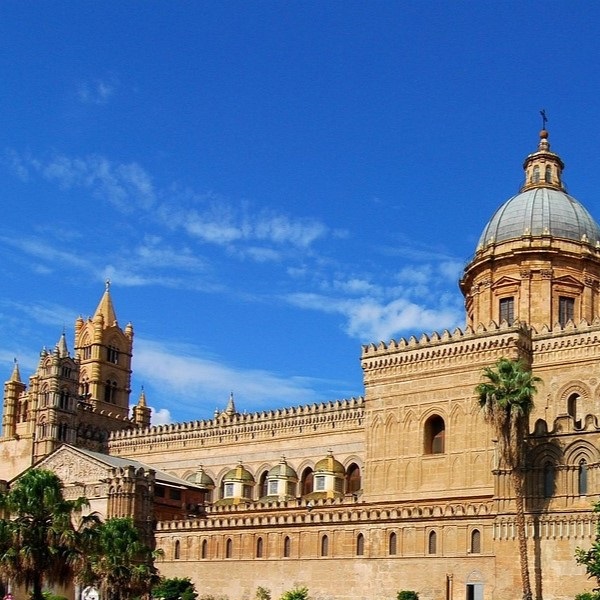
Among Palermo’s most iconic landmarks stand the majestic Palermo Cathedral, a masterpiece blending Arab, Norman, and Gothic styles, and the Palazzo dei Normanni, whose glittering Palatine Chapel captures the city’s fusion of cultures in golden mosaics.
As dusk descends, Palermo awakens anew. Locals and visitors fill the squares and seaside promenades, savoring aperitivi or a glass of Nero d’Avola, while the last light of day paints the domes and rooftops in warm shades of amber and rose, a perfect reflection of the city’s eternal allure.
Taormina
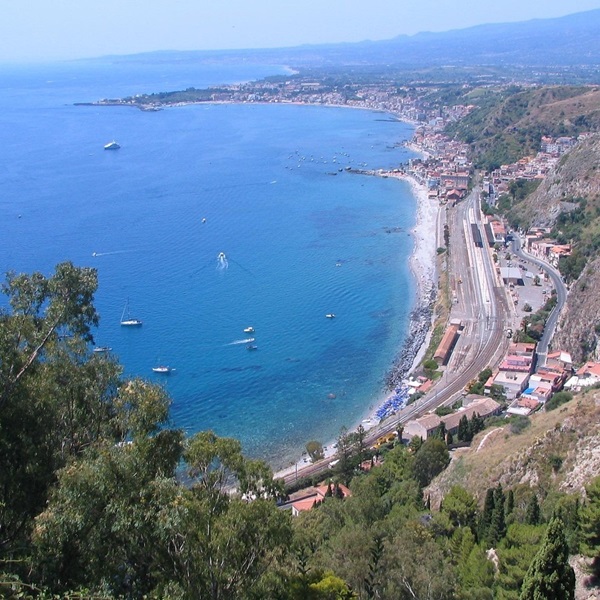
Taormina is a jewel perched high above Sicily’s eastern coast, where winding lanes and flower-draped terraces overlook the shimmering Ionian Sea.
The town enchants visitors with its cobbled streets, elegant piazzas, and pastel-hued buildings framed by bougainvillea, offering a timeless glimpse into Sicilian charm and sophistication.
Boutique shops, family-run trattorias, and artisan studios line the Corso Umberto, while panoramic terraces reveal breathtaking views of the coastline and the towering silhouette of Mount Etna in the distance.
Rising above the town is the ancient Teatro Greco, Taormina’s most iconic landmark. From its stone tiers, the sweeping vistas of sea and volcano create a scene of unrivaled beauty, a testament to the town’s enduring allure since antiquity.
Below, the coast beckons with sandy beaches and hidden coves around Isola Bella, where crystal-clear waters shift from turquoise to deep sapphire. Boat excursions unveil secluded grottoes and dramatic cliffs along the Bay of Naxos.
The surrounding hills and trails invite leisurely walks through citrus groves and Mediterranean gardens, offering ever-changing perspectives of Taormina’s stunning landscape, a harmony of sea, stone, and sky that captures the very essence of Sicily.
Syracusa
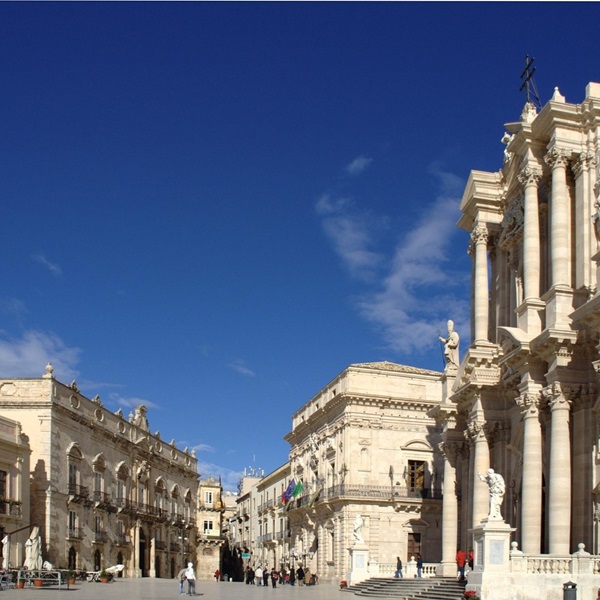
Syracusa, shines on Sicily’s southeastern coast. Once one of the great power hubs, it still carries the echoes of its glorious past through grand ruins, sunlit streets, and views that stretch across the deep blue Ionian Sea.
The city captivates with its elegant architecture, lively piazzas, and golden-hued buildings that glow in the Sicilian light. Cafés, trattorias, and family-run restaurants spill onto the streets, serving fresh seafood, handmade pasta, and local wines that celebrate the island’s rich culinary traditions.
Among Syracusa’s most celebrated landmarks is the ancient Greek Theatre, carved into the hillside and still alive with performances each summer.
Nearby lie the Ear of Dionysius and the vast Archaeological Park of Neapolis, where temples, quarries, and amphitheatres tell the story of centuries past.
Along the coast, fishing boats glide across tranquil waters, and sandy beaches and rocky coves invite visitors to swim, sail, and explore. Inland, the landscape softens into olive groves, citrus orchards, and rolling hills scented with wild herbs.
As evening descends, Syracusa glows under the warm Sicilian sunset. Locals and travellers gather in the squares and along the seafront, enjoying the slow rhythms of the island.
Ortigia
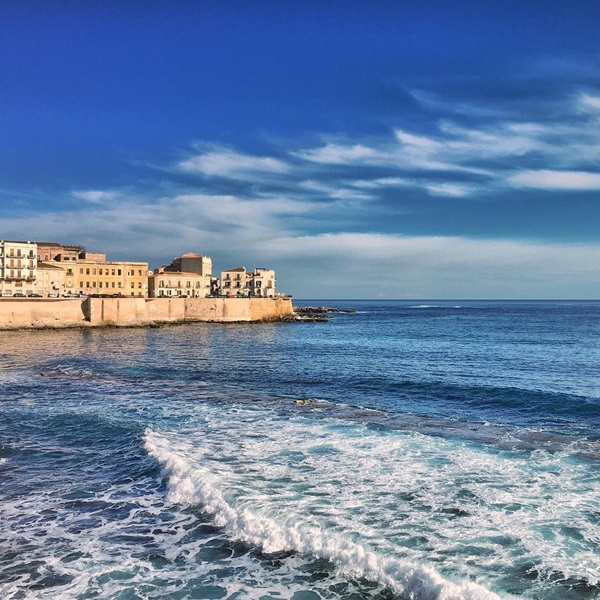
Ortigia, the ancient heart of Syracusa, is a small island of breathtaking charm and timeless elegance, where every street seems to whisper a story from the past. Surrounded by the sparkling Ionian Sea, it is a place where history, art, and daily life blend seamlessly beneath the Sicilian sun.
The island’s narrow lanes wind between golden baroque façades, hidden courtyards, and lively piazzas that open suddenly to sweeping sea views. Elegant balconies overflow with flowers, and the scent of salt air mingles with aromas of espresso, citrus, and freshly baked bread.
At its centre lies the magnificent Piazza Duomo, one of Sicily’s most beautiful squares, where the Cathedral of Siracusa stands upon the ancient Temple of Athena, a symbol of the city’s layered past.
Nearby, the Fountain of Arethusa evokes ancient legend, its clear waters shaded by papyrus plants and framed by views of the sea.
Ortigia’s waterfront promenades invite leisurely strolls at any hour: morning light dancing on the waves, fishermen mending their nets, and sunsets that bathe the limestone buildings in shades of rose and gold.
As night falls, the island comes alive with soft music, candlelit terraces, and the laughter of locals and travelers gathered over glasses of Sicilian wine.

Arigento
Agrigento, perched on a hill overlooking Sicily’s southern coast, is a city of ancient grandeur and Mediterranean warmth. Renowned for its extraordinary archaeological treasures and sweeping sea views, it offers a perfect blend of history, culture, and natural beauty.
The city’s historic centre charms with its narrow lanes, stone archways, and sunlit piazzas that reveal traces of centuries past.
Cafés, trattorias, and gelaterias spill out onto the cobblestone streets, serving traditional Sicilian dishes: fresh seafood and arancini, local wines and almond pastries.
Agrigento’s true glory lies in the nearby Valley of the Temples, one of the most remarkable archaeological sites in the world.
Majestic Doric temples rise from golden hillsides, glowing in the sunlight and illuminated at night with a timeless serenity. Among them, the Temple of Concordia stands as one of the best-preserved ancient Greek temples in existence.
Beyond the ruins, the landscape opens to olive groves, vineyards, and the shimmering Mediterranean below.
Coastal trails and scenic drives lead to pristine beaches such as Scala dei Turchi, where white limestone cliffs descend into turquoise waters, a natural masterpiece of southern Sicily.

Noto
Noto, set amidst the golden hills of southeastern Sicily, is a masterpiece of Baroque architecture and timeless Sicilian elegance.
Often called the “Stone Garden,” the city captivates visitors with its harmonious beauty, warm honey-colored buildings, and a serene atmosphere that reflects both artistry and tradition.
The historic center unfolds in a perfect balance of grace and grandeur. Along the main Corso Vittorio Emanuele, ornate palazzi, grand churches, and sweeping staircases line the streets, each façade glowing in the Sicilian sunlight.
The Cathedral of San Nicolò, with its stately dome and majestic steps, stands as the city’s crown jewel, a symbol of resilience and rebirth after the 1693 earthquake.
Wandering through Noto’s streets reveals quiet courtyards, balconies draped with flowers, and the scent of citrus and almond pastries wafting from local cafés. Family-run trattorias and elegant restaurants serve dishes inspired by the land, such as delicious fresh ricotta and pistachio pasta.
The countryside offers rolling vineyards, olive groves, and scenic drives leading to the coast. A short journey brings travellers to the pristine beaches of Vendicari Nature Reserve, where dunes, lagoons, and turquoise waters create a haven for both nature and peace.
Flights and getting around
Exploring Sicily by car is one of the best ways to experience the island’s rich diversity, from dramatic coastlines and golden beaches to rolling hills and volcanic landscapes. Driving allows you to uncover hidden gems like the hilltop towns of Erice, Cefalù, and Ragusa, as well as coastal treasures such as Taormina, San Vito Lo Capo, and the southern beaches near Agrigento. Well-maintained roads and scenic routes make it easy to travel at your own pace, with opportunities to stop at panoramic viewpoints.
While driving gives unmatched flexibility, public transport can also be used to reach major towns and cities. Trenitalia and regional operators connect Palermo, Catania, Messina, and Syracuse, offering a convenient way to move between key hubs. Buses reach many smaller villages and coastal resorts, though services can be less frequent outside peak tourist months.
Sicily is well connected by air, making it easily accessible from the UK. Flights take approximately 3–4 hours. Main airports include:
- Trapani-Birgi Airport (TPS) perfect for western Sicily.
- Palermo Falcone-Borsellino Airport (PMO) ideal for the northwest and Palermo.
- Catania-Fontanarossa Airport (CTA) convenient for eastern Sicily, Mount Etna, and Taormina.

Weather
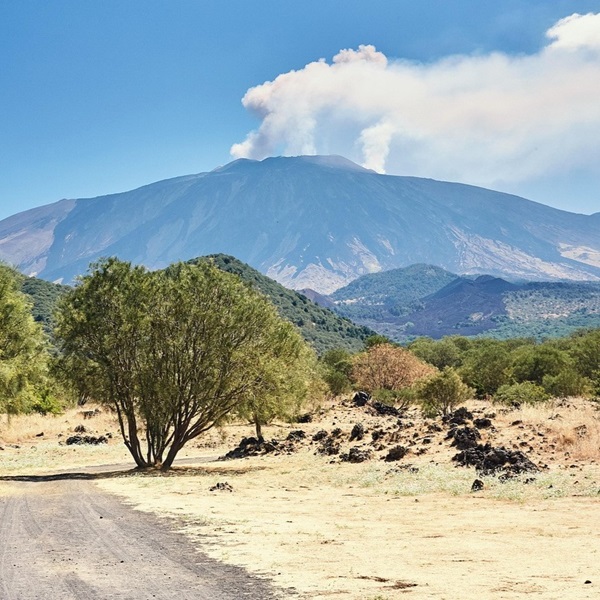
Sicily enjoys a quintessential Mediterranean climate, shaped by its sun-drenched coastlines, fertile plains, and rugged mountain landscapes crowned by Mount Etna.
The island is one of striking contrasts: sweeping coastal cliffs, rolling hills, volcanic slopes, and valleys rich with citrus groves and almond blossoms. Each season paints Sicily in a different light, offering year-round appeal for travelers.
Summer in Sicily is long, warm, and vibrant, with coastal temperatures typically ranging from 28–34°C. It’s the perfect time to swim in the turquoise waters of Taormina, Cefalù, or San Vito Lo Capo, unwind on golden sands, or enjoy balmy evenings in lively piazzas where cafés and gelaterias stay open late into the night.
Spring and autumn bring milder weather, usually between 16–26°C, ideal for exploring Sicily’s historical treasures and natural parks. These are the best seasons to wander through Noto, Erice, or Ragusa, hike the slopes of Mount Etna.They also coincide with vibrant festivals, olive and grape harvests, and open-air markets celebrating the island’s rich traditions and cuisine.
Winter remains gentle along the coast, with temperatures around 10–16°C, while the higher elevations of Etna and the Madonie Mountains may see a dusting of snow.

Top ten attractions in Sicily…
- Valley of the Temples (Agrigento) – One of the world’s finest collections of ancient Greek temples.
- Mount Etna – Europe’s most active volcano and a UNESCO World Heritage Site. Join a guided jeep or cable-car tour up the slopes for lava fields and craters.
- Taormina – A chic hilltop town known for its medieval lanes and the iconic Ancient Theatre of Taormina.
- Palermo & the Palatine Chapel – Sicily’s lively capital, home to bustling markets, Arab-Norman architecture, and the dazzling Palatine Chapel.
- Catania’s Historic Centre – Elegant baroque architecture, lively piazzas, and the Catania Cathedral.
- Syracuse & Ortigia Island – Visit the Archaeological Park of Neapolis featuring the Greek Theatre and Ear of Dionysius, then wander Ortigia’s atmospheric streets.
- Cefalù – A charming seaside town with sandy beaches, medieval streets, and the UNESCO-listed Norman Cathedral.
- Noto – Sicilian Baroque architecture boasting ornate palaces and elegant Noto Cathedral and museum.
- Monreale Cathedral (near Palermo) – Famous for its stunning Byzantine mosaics, this cathedral and its cloisters are of Sicily’s most awe-inspiring sites.
- The Aeolian Islands – A volcanic island chain perfect for boat trips, hiking, and coastal exploration. Take a guided tour to Stromboli to witness eruptions or explore Lipari’s archaeological museum.

Things to do in Sicily

Hotels & package holidays

Find flights to Sicily

Car hire in Sicily

Airport transfers & taxis

eSIM cards for global connection
Browse hotels in Sicily
Check out the latest holiday offers
Browse flights to Sicily
Compare airlines and get the best prices

 PalmaCoco Travel