
Visit Croatia

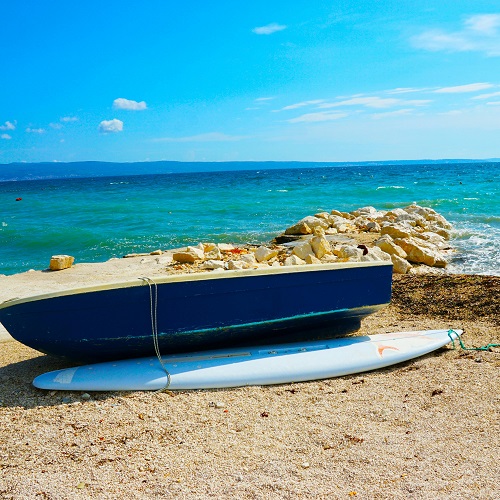

Coastal gem of the Adriatic.
Croatia is a country of breathtaking beauty, rich history, and vibrant culture. From the medieval streets of Dubrovnik to the stunning Adriatic coastline, every corner of Croatia has a story to tell. Influenced by the Romans, Venetians, and the Austro-Hungarian Empire, Croatia is a treasure trove of historical landmarks, picturesque towns, and scenic wonders. Today, visitors are drawn to its charming coastal cities, crystal-clear waters, and welcoming atmosphere.
Croatia
Croatia, situated along the Adriatic Sea, offers a perfect blend of cultural heritage and natural beauty. The country’s medieval towns, pristine islands, and UNESCO-listed sites make it a must-visit European destination. Cities like Dubrovnik and Split boast stunning architecture, while the Plitvice Lakes and Krka National Parks showcase Croatia’s breathtaking natural wonders.
Food lovers can savour traditional dishes such as “peka” (slow-cooked meat and vegetables), “pašticada” (Dalmatian beef stew), and fresh seafood straight from the Adriatic. Meanwhile, wine enthusiasts can indulge in Croatia’s renowned wines from regions like Istria and Pelješac.

Dubrovnik
Dubrovnik, often called the “Pearl of the Adriatic,” is a stunning coastal city that beautifully blends history, culture, and natural beauty. Located on the shores of the Ionian Sea in southern Croatia, the city is renowned for its well-preserved medieval walls and historic old town, a UNESCO World Heritage site.
Walk along the iconic City Walls, offering panoramic views of the turquoise sea and terracotta-roofed buildings, or explore the Stradun, the bustling main street lined with charming cafes, shops, and historic landmarks like Onofrio’s Fountain and the Rector’s Palace.
Dubrovnik is also a haven for art and culture, with numerous museums, galleries, and events that showcase Croatia’s rich heritage. The city is famous for its vibrant nightlife, with a variety of bars, restaurants, and seaside terraces offering a lively atmosphere and stunning views.

Split
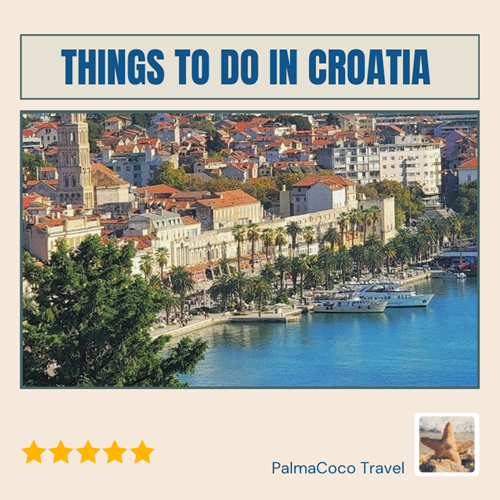
Split, Croatia’s vibrant second-largest city, is a captivating blend of ancient history, coastal beauty, and modern charm. Located on the shores of the Adriatic Sea, Split is home to the impressive Diocletian’s Palace, a UNESCO World Heritage site that dates back to the 4th century. Wander through the palace’s maze of narrow streets, visit the ancient Peristyle Square, or explore the historic Cathedral of Saint Domnius. Split’s lively Riva promenade offers stunning sea views, lined with cafes, restaurants, and boutiques, perfect for soaking in the atmosphere of this dynamic city.
Split is also known for its vibrant arts scene and cultural heritage, with numerous galleries, museums, and theaters showcasing Croatia’s rich history. The city’s beautiful beaches, like Bačvice and Kasjuni, provide opportunities to relax by the crystal-clear waters or enjoy water sports. Split also boasts a thriving food scene, from traditional Dalmatian cuisine to modern culinary delights.
Zagreb
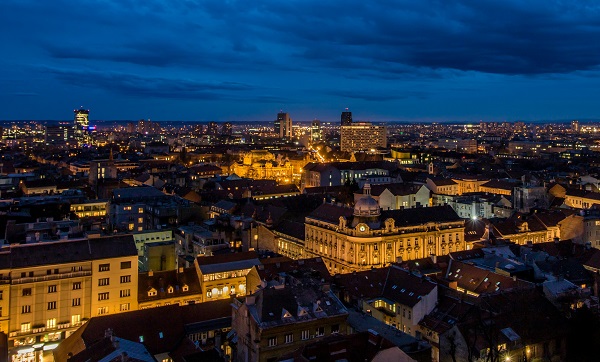
Zagreb, Croatia’s vibrant capital, is a dynamic city that seamlessly combines historic charm with modern energy. Nestled along the banks of the Sava River, Zagreb offers a rich cultural scene, with an abundance of museums, galleries, and historic landmarks. Wander through the picturesque streets of the Upper Town (Gornji Grad), where cobbled alleys lead to iconic sites like the St. Mark’s Church, Zagreb Cathedral, and the Lotrščak Tower, offering panoramic views of the city. The lively Ban Jelačić Square serves as the city’s bustling heart, surrounded by shops, cafes, and restaurants.
The Dolac Market is a must-see for those wanting to experience local produce, while the Maksimir Park offers a peaceful retreat with its lush greenery and tranquil lakes. Zagreb’s food scene blends traditional Croatian dishes with modern twists, and the city’s nightlife is lively, with a mix of trendy bars, music venues, and local tavernas.
Hvar
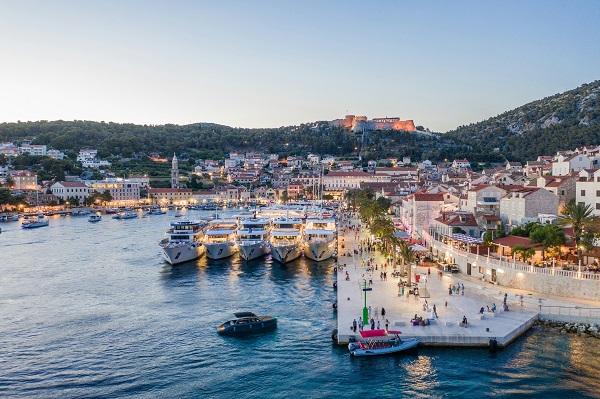
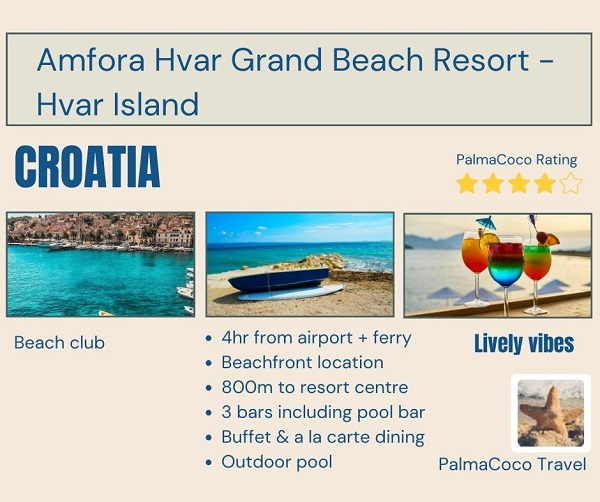
Hvar, one of Croatia’s most glamorous islands, offers a perfect blend of natural beauty, rich history, and vibrant nightlife. Located in the Adriatic Sea, Hvar is renowned for its crystal-clear waters, sun-kissed beaches, and charming old town. The heart of the island is the picturesque Hvar Town, where visitors can explore the stunning Hvar Cathedral, stroll through the Pjaca Square, or admire the views from the historic Fortica Fortress, which overlooks the town and the sparkling sea. The cobbled streets of Hvar Town are lined with chic cafes, boutiques, and restaurants, creating a lively yet relaxed atmosphere.
Known for its lively nightlife, Hvar attracts visitors with its stylish bars and beach clubs that come alive after dark, offering a buzzing energy throughout the summer months. The island is also famous for its lavender fields, scenic vineyards, and beautiful beaches like Dubovica and Mlini, perfect for those seeking both adventure and relaxation.

Korčula
Korčula, often referred to as “Little Dubrovnik,” is a charming island located in the Adriatic Sea, known for its medieval architecture, lush landscapes, and rich cultural heritage. The island’s main town, Korčula Town, is a maze of narrow streets, stone houses, and impressive fortifications that reflect its long history. Explore the Korčula Cathedral, visit the Marco Polo Museum (the birthplace of the famous explorer), and wander through the town’s quaint squares and vibrant markets. The town’s ancient walls offer breathtaking views of the surrounding islands and crystal-clear waters.
Korčula is famous for its stunning beaches, such as Lumbarda and Vrbovica, where you can relax in the sun or swim in the calm, turquoise waters. The island’s lush vineyards produce some of Croatia’s finest wines, and visitors can enjoy wine tasting tours at local wineries. .

Brač
Brač, the third-largest island in Croatia, is a stunning destination that offers a perfect blend of natural beauty, charming villages, and rich cultural heritage. Boasting crystal-clear waters, pristine beaches, and the iconic Zlatni Rat, often regarded as one of the most photographed beaches in the world. This unique, golden pebble beach, located near the town of Bol, stretches into the sea like a finger and is perfect for swimming, sunbathing, and water sports.
The island’s capital, Supetar, offers a picturesque old town with traditional stone houses, vibrant markets, and a lively harbor. Brač is also known for its historical landmarks, such as the Blaca Hermitage, a secluded monastery carved into the cliffs, and the ancient Vidova Gora mountain, which provides panoramic views of the surrounding islands and the mainland. Visitors can enjoy local specialties, including olive oil, wine, and fresh seafood, in charming restaurants and tavernas.

Vis
Vis, one of Croatia’s most tranquil and untouched islands, offers a unique escape with its stunning natural beauty, charming villages, and rich history offering crystal-clear waters, rugged coastline, and a serene atmosphere. The island’s main town, Vis Town, is a picturesque blend of narrow streets, traditional stone houses, and vibrant waterfront cafés. Here, visitors can explore the island’s Venetian-era architecture, visit the Fort George for panoramic views, or discover the island’s fascinating history at the Vis Archaeological Museum.
Vis is also famous for its beautiful beaches, such as the secluded Stiniva Cove, accessible only by foot or boat, and the popular Srebrna Beach with its sparkling pebbles and sparkling waters. The island’s lush landscapes are perfect for hiking and cycling, with scenic trails that lead to hidden coves and quaint villages like Komiza, known for its colorful waterfront and fishing heritage.
Vis is also renowned for its vineyards, producing the island’s own variety of wine, which visitors can taste at local wineries.
Pula
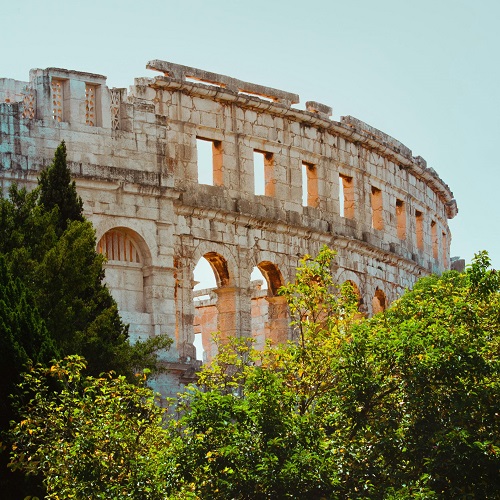
Pula, a historic gem on the southern tip of the Istrian Peninsula, is a captivating city known for its rich Roman heritage, stunning coastline, and vibrant atmosphere. Famous for its Roman Amphitheater, one of the best-preserved in the world, Pula offers visitors a fascinating glimpse into ancient history. The city is dotted with other historical landmarks, such as the Temple of Augustus, the Arch of the Sergii, and the Pula Fortress, making it a must-visit destination for history enthusiasts.
Beyond its historical treasures, Pula is known for its pristine beaches and crystal-clear waters, perfect for swimming, snorkeling, and enjoying the Mediterranean sun. The town also boasts a lively waterfront, where visitors can relax at cafes, explore the local markets, or enjoy fresh seafood at traditional tavernas. Pula’s proximity to stunning natural parks, such as Brijuni National Park, adds to its appeal, offering opportunities for hiking, biking, and wildlife watching. With its blend of ancient history, scenic beauty, and vibrant culture, Pula is a perfect destination for those seeking both relaxation and adventure

Rovinj
Rovinj, located on the western coast of the Istrian Peninsula, is a picturesque coastal town that perfectly blends Venetian charm with Mediterranean beauty. Known for its colorful old town, narrow cobbled streets, and vibrant waterfront, Rovinj is one of Croatia’s most enchanting destinations.
The heart of the town is dominated by the towering Church of St. Euphemia, which offers stunning views of the town and the surrounding Adriatic Sea. Strolling through Rovinj’s charming streets, visitors can discover artisan shops, local galleries, and cozy cafes nestled among its historic buildings.
Rovinj has a stunning coastline and delightful beaches like Punta Corrente and Lone Bay, ideal for swimming, sailing, and relaxing by the sea. The town is a gateway to Brijuni National Park, a stunning archipelago known for its lush landscapes, wildlife, and ancient ruins. Rovinj’s vibrant food scene, offering delicious local seafood, truffles, and wines, adds to its charm.
Flights and getting around
Car Hire – Highly recommended for exploring the Croatia at your own pace. Ideal for exploring off-the-beaten-path locations like Istria and Plitvice.
Buses – are reliable and an affordable way to travel between cities. Operators such as Autotrans offer a wide range of routes and Cazmatrans Hvar connects island locations such as Hvar Town and Stari Grad.
Ferries – are an essential mode of transport for island-hopping, operated by companies like Jadrolinija which provides routes to many islands. Tickets can be purchased online or at the ticket office and you’re advised to arrive early, especially in peak season.
Trains – are limited in Croatia but available for travel between Zagreb and coastal regions.
Flight time from UK: Approx. 2.5 hours
Croatia is well-connected to the UK, with direct flights to:
Zagreb Airport (ZAG) Split Airport (SPU)
Dubrovnik Airport (DBV) Zadar Airport (ZAD).
Served by airlines like Ryanair, easyJet, British Airways, and Croatia Airlines.

Weather
Croatia enjoys a Mediterranean climate along the coast and a more continental climate inland, making it a versatile destination for beach lovers, history enthusiasts, and outdoor explorers.
Summer (June – August):
Summers along the coast are hot, sunny, and dry, with daytime temperatures typically ranging from 28°C to 33°C (82°F to 91°F). The Adriatic Sea is warm and ideal for swimming, sailing, and water sports. Coastal towns and islands, such as Dubrovnik, Split, and Hvar, are busiest during this period.
Spring (March – May):
Spring brings mild, pleasant weather with temperatures between 17°C and 23°C (63°F to 73°F). Flowers bloom, towns are quieter, and it’s perfect for sightseeing, hiking, and exploring historical sites before the summer crowds arrive.
Autumn (September – November):
Autumn offers warm, sunny days, with temperatures typically between 22°C and 28°C (72°F to 82°F) in early fall. The sea stays comfortable for swimming through September and early October, while crowds diminish, making it ideal for relaxed exploration.
Winter (December – February):
Winters along the coast are mild, with temperatures averaging 8°C to 15°C (46°F to 59°F). Inland areas can be colder, with occasional snow in the mountains. Rain is more frequent in winter, but sunny periods still occur.
Top ten attractions in Croatia…
- Dubrovnik Old Town & City Walls – UNESCO-listed streets and historic churches, walk the famous city walls for panoramic views of the Adriatic.
- Plitvice Lakes National Park – Cascading lakes and waterfalls in one of Croatia’s most famous natural sites. Guided tours help navigate the trails.
- Split & Diocletian’s Palace – Discover this living Roman palace at the heart of Split. Entry to certain areas is ticketed with guided tours.
- Hvar Town & Fortress – An historic town with lavender fields, beaches, and medieval fortress.
- Korčula Old Town – The birthplace of Marco Polo, this charming town has narrow streets, stone houses, and coastal promenades.
- Zadar & Sea Organ – Experience the unique Sea Organ and Sun Salutation installations along Zadar’s waterfront.
- Krka National Park – Famous for picturesque waterfalls and swimming areas. Boat tours to island monasteries are a highlight.
- Rovinj Old Town – A charming town with cobbled streets, colourful houses and hilltop Church.
- Mljet National Park – Forested landscapes, saltwater lakes, & St Mary’s Island 12thC Benedictine monastery.
- Pula & Roman Amphitheatre – One of the best-preserved Roman amphitheatres in Europe.
Things to do in Croatia

Hotels & package holidays

Find flights to Croatia

Car hire in Croatia

Airport transfers & taxis

eSIM cards for global connection
PalmaCoco Loves…
Croatia




Browse hotels in Croatia
Check out the latest holiday offers
Browse flights to Croatia
Compare airlines and get the best prices

 PalmaCoco Travel